Portfolio - Project Management, Analysis, Development and Deployment.
Stakeholders
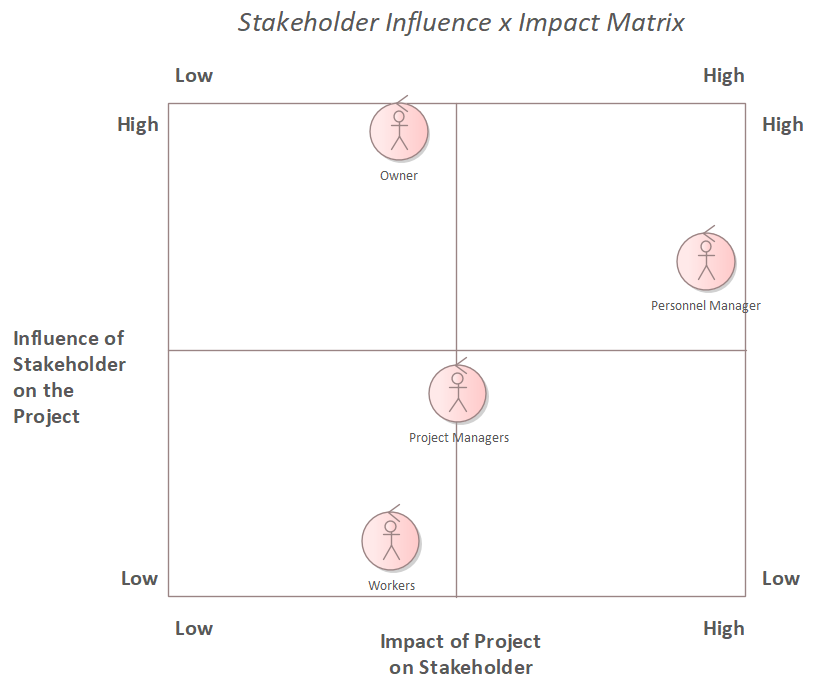
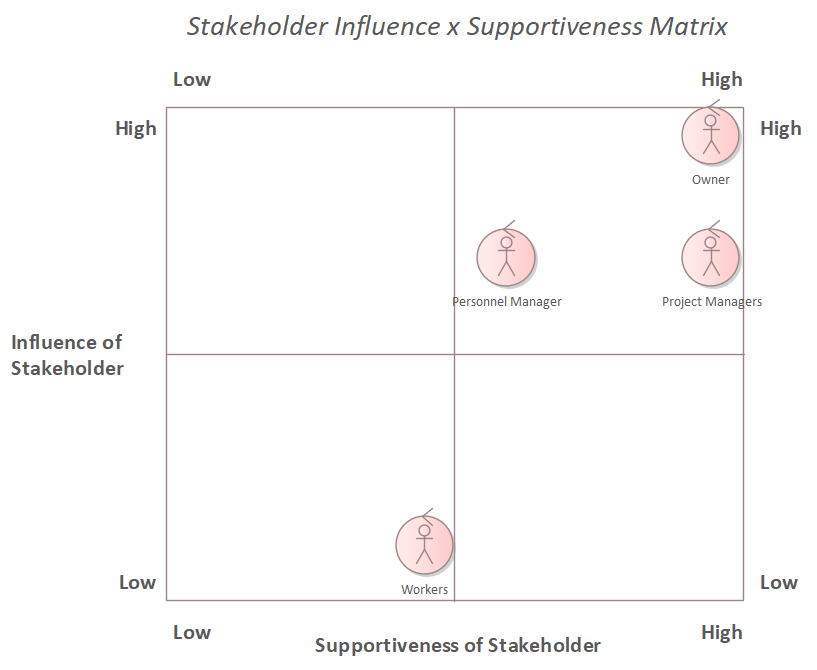
We start by identifying and assessing the project stakeholders. While the time taken for this phase is short, it gives some significant advantages. By knowing the key areas in which each stakeholder is interested, our team is able to provide targeted updates to stakeholders as the features which interest them are completed. These focused communications, based on each stakeholder's interests, increase engagement and maintain the momentum of our project.
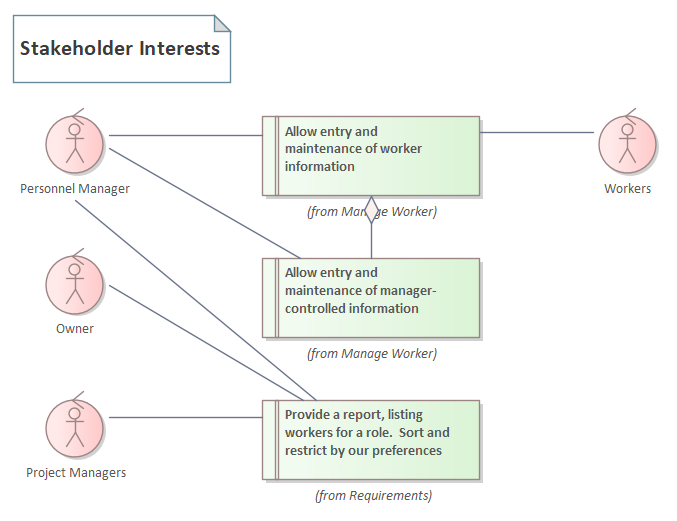
Reviewing stakeholders early in the process also facilitates a quick check to ensure that we have identified all appropriate stakeholders. Most Project Managers know they need to consider the stakeholders who will sponsor or direct the project. But by also considering who will be strongly affected by the IT project, additional stakeholders may be identified. These additional stakeholders, who will be strongly affected by the proposed solution, may provide unpleasant surprises later if the project team does not identify these stakeholders early.
This step also gives an opportunity to verify that high-influence stakeholders support the project. A classic cause of IT project failures is not having support from a stakeholder who has the power to delay or cancel the project.
Business Domain Models and generating code
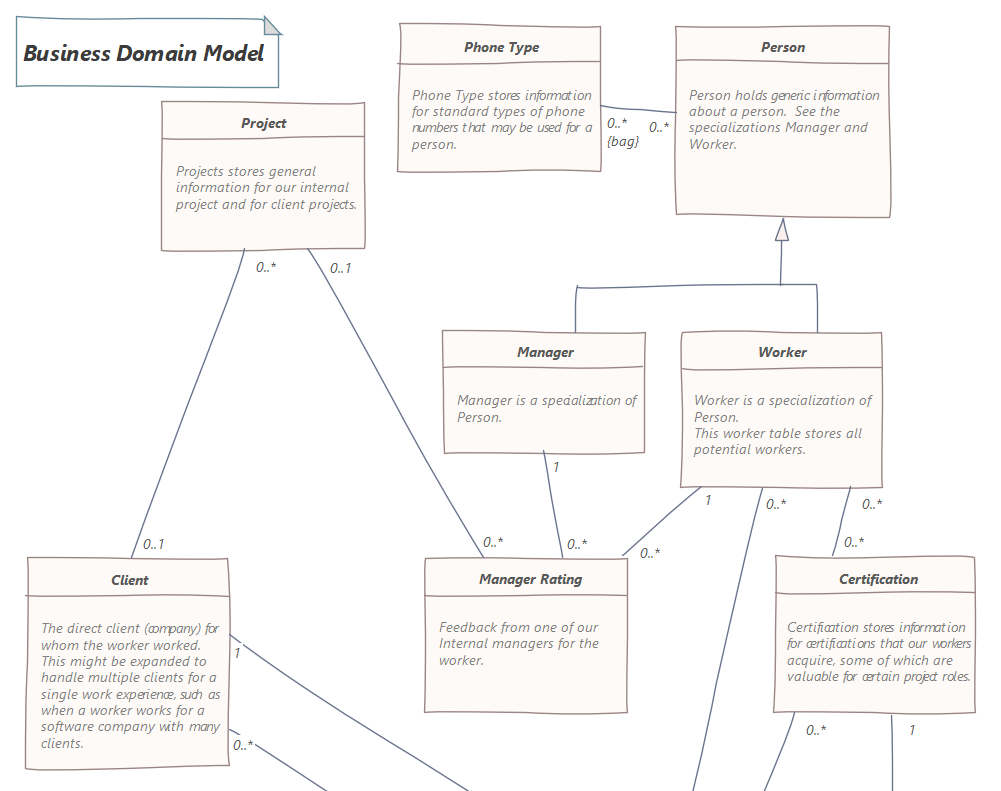
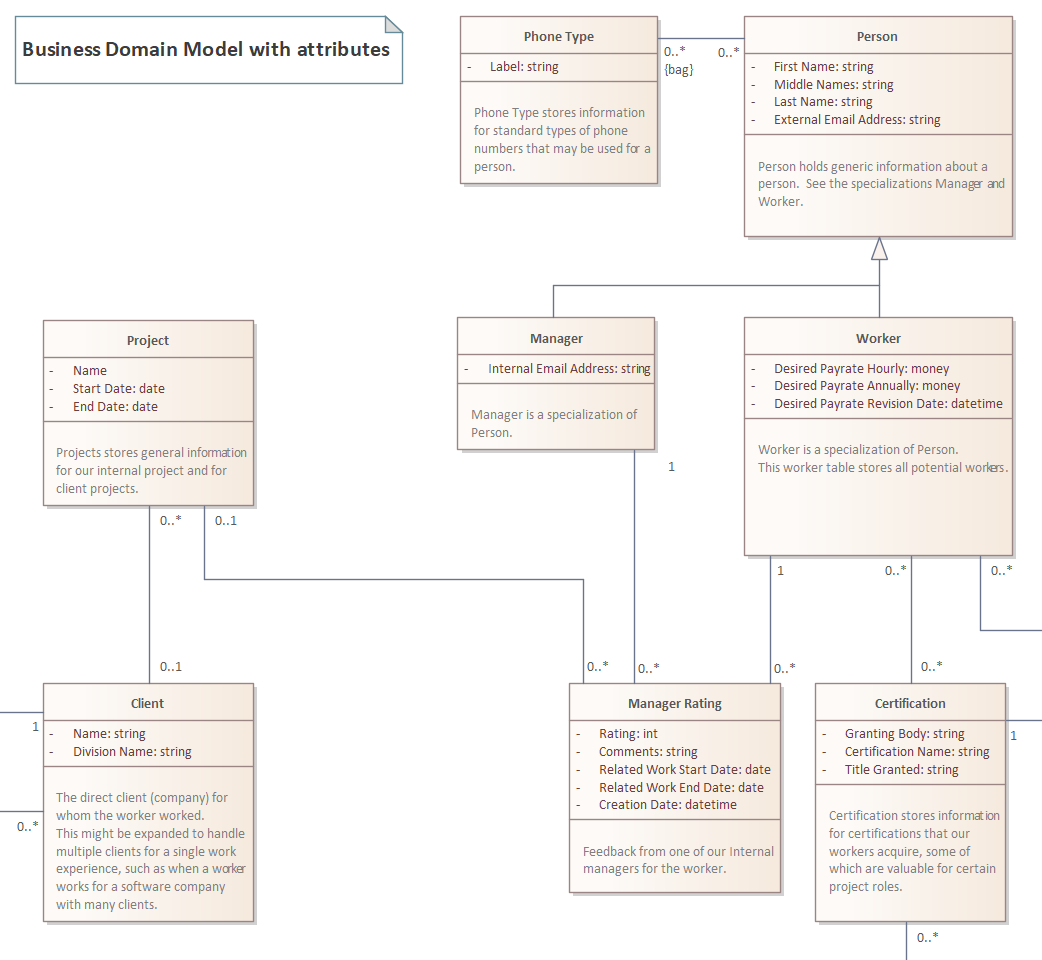
Business Domain models can be used to communicate effectively with non-technical business users, as well as developers, as our team works toward a thorough and correct understanding of the needed solution. As shown below, the work to create these models is not discarded once the business analysis is complete. Each successive Business Domain model shown below builds on the prior version, refining and adding details to the work already modelled.
In addition, the Business Domain models are used to automatically generate the initial versions of code classes and the physical database objects used to create the solution. These automated transformations reuse the details already modelled to reduce time needed by the development team.
And lastly, the models, with links between requirements, code classes, webpage elements and database objects, are available as permanent documentation for the team that will maintain the solution after the initial project ends.
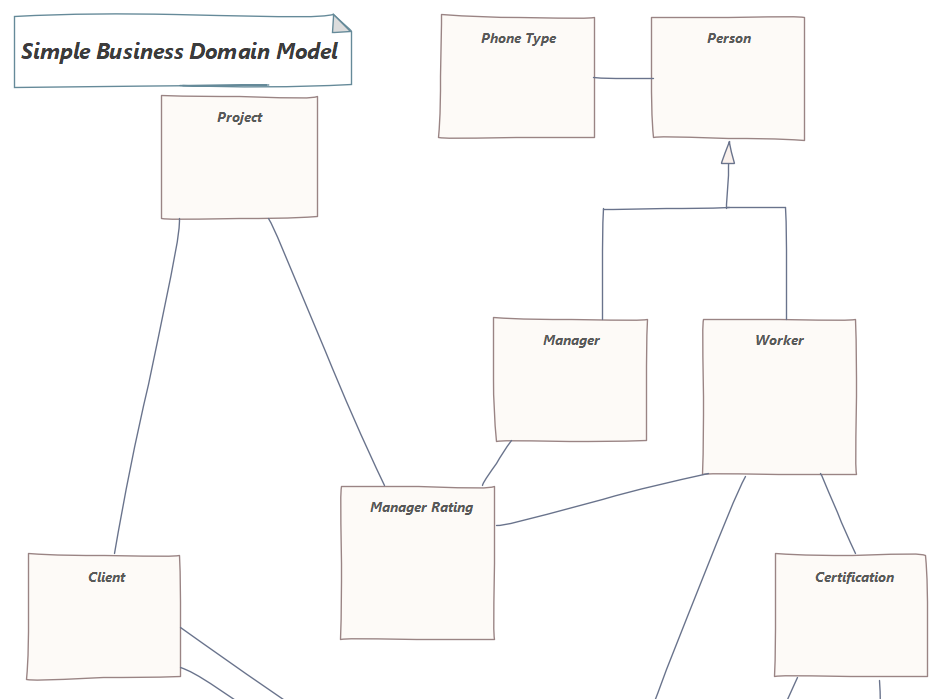
At the beginning of the analysis phase, a simple diagram showing only the concepts and general relationships can be useful in discussions with business users, as a list of the project concepts is compiled.
As information is added to the model, additional details are available for users comfortable with these diagrams. This diagram presents the concepts from the diagram above, adding a general description for each concept and details about the types of relationships.
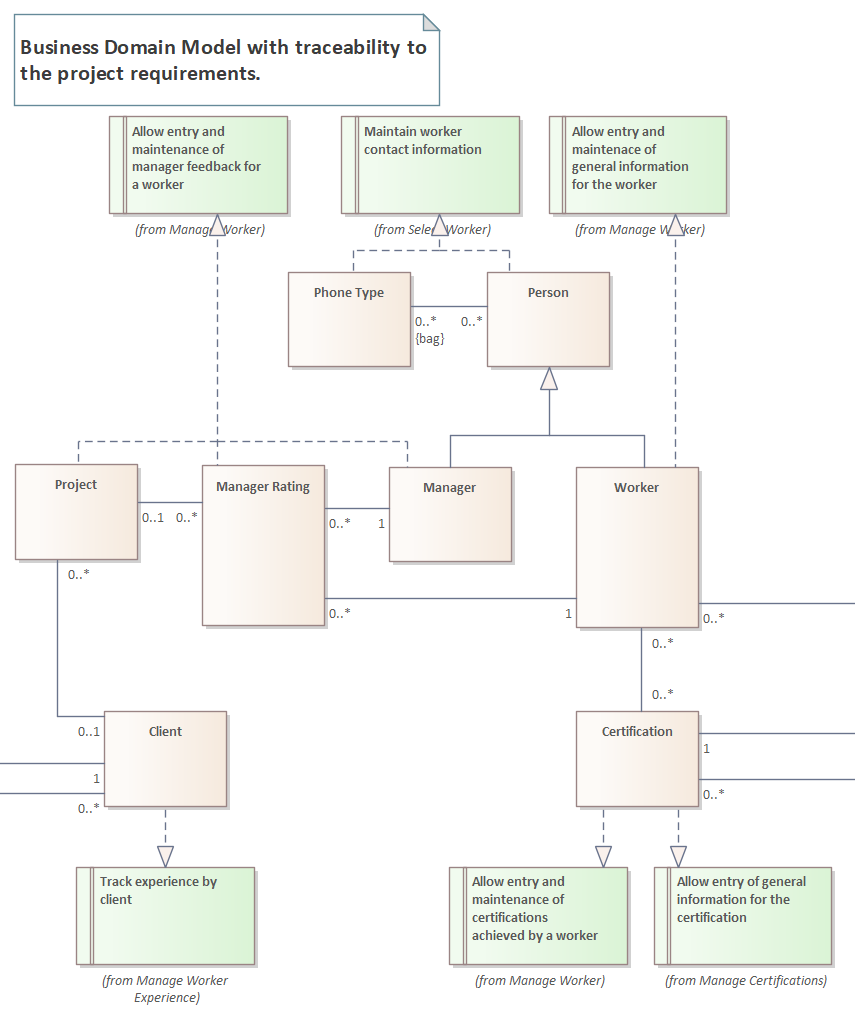
By using the requirements that have already been modelled, the project team can establish links between the requirements and the concepts being designed. This effort helps ensure that the solution design stays on track, identifying unnecessary elements.
As business analysis continues, attributes for concepts are added, with a simple name and description of the type of information to be maintained.
Security Requirements
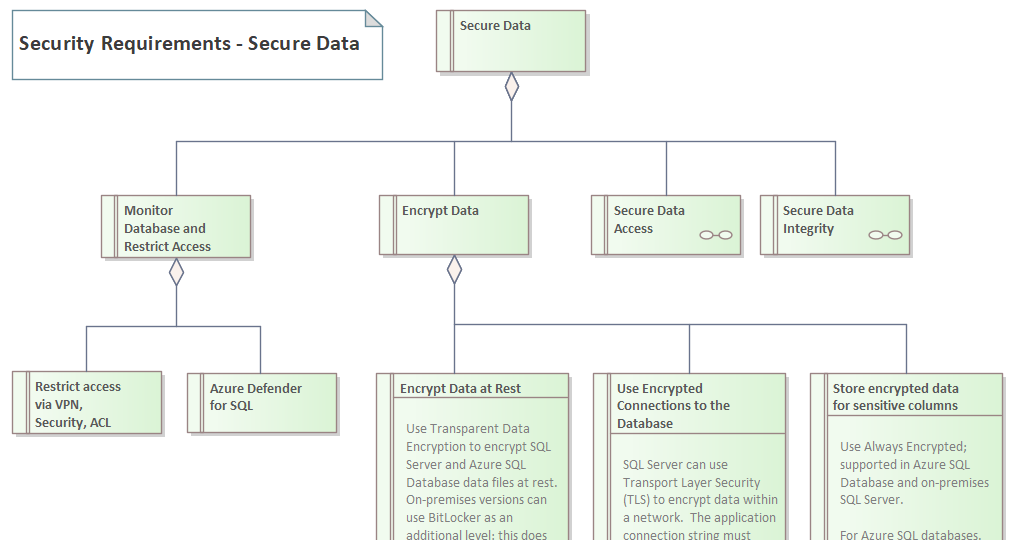
The security of cloud solutions is too important to be an after-thought at the end of the project. The security of the various components, such as the web application, data and internet access, needs to be a foundational consideration of the solution design.
Other Requirements
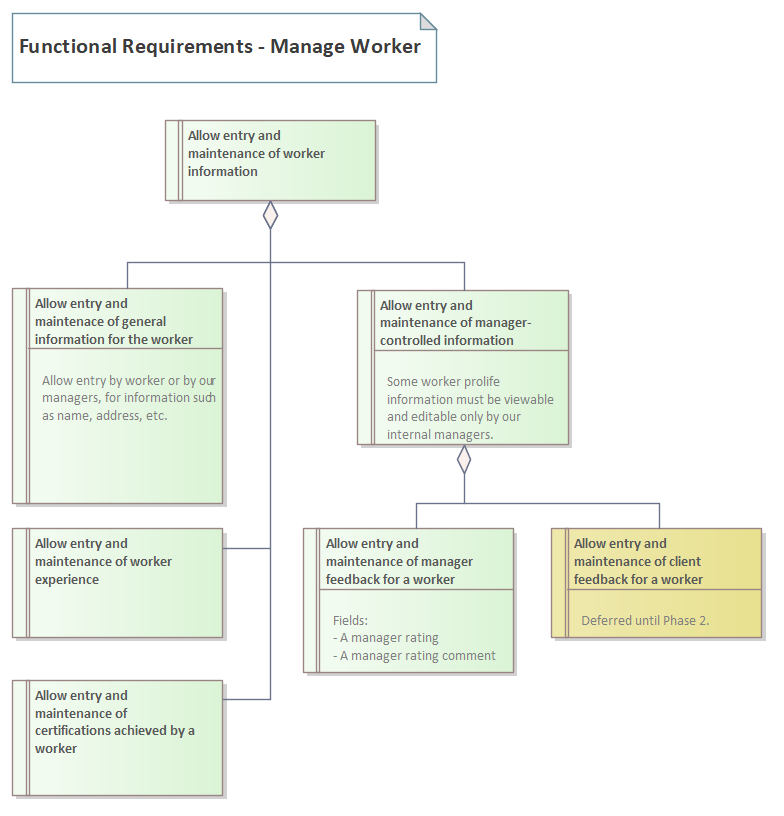
Project requirements, such as architectural, business, functional, and reporting, can be modelled in a hierarchical form. As described in the Stakeholders section, a requirement can be linked to a stakeholder to improve engagement. Requirements can also be linked to business concepts, to architectural, webpage, and database elements, and to code classes. This traceability provides useful documentation, not only during the analysis phase, but also during the development and the maintenance phases.